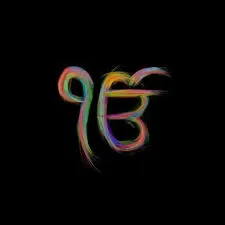
Universal Oneness Meditation – Ek Onkar

Recorded Breathworkk.com session on Ek Onkar >

Ek Onkar, a sacred mantra of the Sikh religion, holds profound significance as it encapsulates the essence of unity, divine consciousness, and the interconnectedness of all creation. Ek Onkar meditation can unlock your inner peace and spiritual growth when done as a regular practice.

Origins and Meaning of Ek Onkar:

Ek Onkar, also known as the Mul Mantar, appears at the beginning of the Guru Granth Sahib, the central religious scripture of Sikhism. It is composed of two parts: “Ek” meaning “One” and “Onkar” representing the divine creative force that pervades all existence. Ek Onkar encapsulates the Sikh belief in the oneness of God and the interconnectedness of all living beings.

The Power of Ek Onkar Meditation:

Ek Onkar delivers a tremendous opportunity for holistic transformation to its practitioners.

1. Physical Benefits: Ek Onkar meditation has been associated with numerous physical health benefits. Scientific studies suggest that regular practice of meditation techniques, including Ek Onkar meditation, can reduce stress, lower blood pressure, improve cardiovascular health, boost the immune system, and promote overall well-being.

2. Psychological and Emotional Benefits: Ek Onkar meditation has a profound impact on the mind and emotions. Through focused attention and introspection, practitioners experience increased mental clarity, enhanced concentration, reduced anxiety, alleviation of depressive symptoms, and an overall sense of calmness, equanimity, and joy.

3. Spiritual Growth and Connection: Ek Onkar meditation facilitates spiritual growth and deepens one’s connection with the divine. By embracing the concept of Oneness and recognizing the divine presence in all beings, individuals experience a profound shift in consciousness. This practice fosters a sense of unity, compassion, and love, allowing individuals to transcend the limitations of the ego and connect with their higher self.

How to Practice Ek Onkar Meditation:

1. Preparation: Find a quiet and comfortable space where you won’t be disturbed. Assume a comfortable seated position, with your spine erect and relaxed.

2. Breath Awareness: Close your eyes gently and take a few deep, calming breaths. Shift your attention to your breath, observing its natural rhythm. With each inhale and exhale, let go of any tension or distractions.

3. Chanting Ek Onkar: Silently or audibly recite the mantra “Ek Onkar” in sync with your breath. As you inhale, mentally repeat “Ek,” and as you exhale, repeat “Onkar.” Allow the mantra to flow naturally and rhythmically, attuning yourself to its vibrations and significance.

4. Focused Awareness: As you continue the chanting, bring your attention to the sound and meaning of each syllable. Visualize the universal energy flowing through you, connecting you to the divine and the entire cosmos. Cultivate a deep sense of reverence and devotion.

5. Stillness and Reflection: Gradually, let go of the repetition and immerse yourself in stillness. Allow the effects of meditation to permeate your being. Reflect upon the experience, expressing gratitude for the moments of connection and inner peace.

6. Full Stanza: You may choose to grow from meditating on Ek Onkar to the entire first stanza.

Ek ōṅkār satinām kartā purakh nirbhau nirvair akāl mūrat ajūnī saibhaṅ gur prasād.

Translation: There is one universal creator, whose name is truth. He is the creator, present throughout all realms. He is without fear, without enmity, eternal, unborn, self-existent. He is realized by the grace of the true Guru.

This stanza sets the foundation for the belief in the Oneness of God and introduces key attributes of the divine nature. It signifies the eternal and formless nature of the creator, emphasizing the importance of seeking spiritual realization through the grace and guidance of a true Guru.

Ek Onkar meditation serves as a powerful tool for spiritual seekers to tap into the divine consciousness and experience the interconnectedness of all creation. By embracing the mantra “Ek Onkar” and engaging in the practice with devotion and focus, individuals can unlock the transformative benefits of this ancient meditation technique. As we awaken to the universal Oneness, we contribute to a world where compassion, unity, and love reign supreme.
The Transformative Power of Sound

In 2016, I embarked on a journey of exploring various meditations and Mystics on YouTube.  While clicking around shorts, I stumbled upon a chant that had me in a trance within minutes. I had never experienced tears streaming down my cheeks for no apparent reason until that moment. Why was I crying? Why was I still chanting? Why did I feel overwhelmed with love and gratitude?

I finally understood how someone could meditate on a rose and sob uncontrollably.

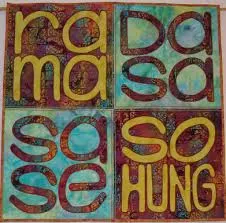
The chant was the ancient “Ra Ma Da Sa.”

This experience marked my initiation into the realm of sound as a transformative force. It awakened within me a deep curiosity to understand the profound impact that sound vibrations can have on our being. The enchanting melody of “Ra Ma Da Sa” had effortlessly bypassed my conscious mind, resonating directly with the depths of my soul.

I have learned since then that ALL sound is profound and what we speak or utter literally creates our World experience. 

According to the philosophies of yoga and Sankhya, sound is our most subtle and fundamental element. When we engage with sound and chanting, we work from the inside out, reaching the core of our being. Sound influences us at a profound level, allowing us to tap into our true essence.

Through this practice, we shed limitations, access higher states of consciousness, and connect with the fabric of creation. Sound becomes a key that unlocks our inner realms and transforms us. It transcends the boundaries of language, culture, and belief systems, speaking directly to the essence of who we are. The power of sound lies in its capacity to tap into the subtle energetic frequencies that underlie our physical and emotional experiences. Embracing this wisdom, we can harness the transformative power of sound, radiating its harmonious resonance to touch the world.

In the case of the “Ra Ma Da Sa” chant, each syllable holds a unique vibrational quality, representing different aspects of divine energy. The rhythmic repetition of these sounds creates a resonance within our being, harmonizing the intricate symphony of our mind, body, and spirit. This harmony facilitates the release of emotional blockages, calms the fluctuations of the mind, and opens pathways for healing and transformation.

Moreover, sound has the remarkable ability to create coherence and attune us to higher states of consciousness. By engaging in the soft chanting of sacred mantras like “Ra Ma Da Sa,” we establish a direct connection with the divine source. The vibrational currents unleashed through the repetition of these sounds enable us to transcend the boundaries of our individual self, merging with the expansive consciousness that permeates all of creation.

Through my encounter with the captivating chant of “Ra Ma Da Sa,” I became acutely aware of the immense potential held within sound. This profound experience encouraged me to explore further, delving into the rich history, teachings, and practices associated with sound healing and mantras. It awakened within me a deep reverence for the transformative power of sound and sparked a lifelong journey of self-discovery, healing, and spiritual growth.

My encounter with the enchanting “Ra Ma Da Sa” serves as a testament to the extraordinary influence that sound vibrations can have on us. It is a reminder of the breathless possibilities that await us as we open ourselves to the transformative power of sound.

May we continue to explore, embrace, and celebrate the sacred harmony that resonates within each and every one of us.

Unlock Healing Powers with Ra Ma Da Sa

Are you looking for a shortcut to a high vibe without gummies and wine? Then let me introduce you to Ra Ma Da Sa, a powerful chant that had me in a trance the first time I listened almost a decade ago. Rooted in ancient wisdom, this powerful mantra has been utilized by yogis, healers, and spiritual seekers for centuries. Now it’s available to you as a powerful 11-minute practice to activate healing and spiritual energy as well as awaken higher consciousness.

Ra Ma Da Sa is truly a sacred healing mantra derived from the ancient Kundalini Yoga tradition with its roots tracing back to the Sikh tradition in Northern India. The late Yogi Bhajan, a prominent Kundalini Yoga teacher, introduced Ra Ma Da Sa to the Western world. He emphasized its potential for physical and emotional healing and taught it extensively during his teachings.

Powerful Healing:

Ra Ma Da Sa can create energetic vibrations that activate tremendous healing.

a. Physical Healing: Chanting Ra Ma Da Sa can help stimulate the body’s natural healing mechanisms, enhance vitality, and support overall well-being. It is believed to have a positive impact on various bodily systems, including the immune, nervous, and endocrine systems.

b. Emotional and Mental Balance: The rhythmic chanting of Ra Ma Da Sa promotes emotional healing by releasing stagnant emotions and bringing a sense of inner peace and balance. It can help alleviate stress, anxiety, and depression, fostering clarity and a heightened state of awareness.

c. Energetic Alignment: By engaging with the sacred sounds of Ra Ma Da Sa, one can tap into the universal life force energy, realign their chakras, and enhance the flow of prana (life force) within the body. This leads to a greater sense of vitality, harmony, and connection to the higher self.

The Mantra Breakdown

The mantra “Ra Ma Da Sa” is a combination of the syllables associated with different aspects of the divine. Each syllable carries a specific vibrational frequency and represents a different aspect of healing:

  1. Ra: Represents the Sun, the energy of life and vitality.
  2. Ma: Symbolizes the Moon, fostering emotional balance and nurturing.
  3. Da: Stands for the Earth energy, grounding and stability.
  4. Sa: Reflects the Infinity, the totality of existence and the higher self.

How to Practice Ra Ma Da Sa

Chant with us via this recording of a Breathworkk session>

  1. Find a quiet and comfortable space where you can practice without interruption.
  2. Sit in a cross-legged position or on a chair with your spine straight and shoulders relaxed.
  3. Take a few deep breaths to center yourself and bring your awareness to the present moment.
  4. Begin chanting “Ra Ma Da Sa” in a melodic and rhythmic manner, allowing the sound vibrations to resonate within you.
  5. Continue chanting for at least 11 minutes, gradually increasing the duration as you become more comfortable.
  6. As you chant, visualize the healing energy permeating your entire being, restoring balance, and radiating outwards.
  7. After your practice, take a few moments to sit in silence, allowing the energy to integrate and settle within you.

Ra Ma Da Sa is a sacred and transformative practice that offers profound healing benefits on physical, emotional, and spiritual levels. Rooted in ancient wisdom and utilized by notable figures throughout history, this mantra holds the potential to restore balance and connect us with the inherent power of healing within. By incorporating Ra Ma Da Sa into our lives, we can cultivate a deeper sense of well-being and tap into the limitless reservoir of divine energy available to us all.

Box Breathing for Anxiety and Guided Meditation “All is Well”

Breathing is an innate process that keeps us alive, but did you know that it can also be harnessed as a powerful tool for anxiety and stress reduction? One breathing technique that has gained significant popularity due to its super prowess is box breathing.

Origin and Science

Box breathing, also referred to as square breathing, is an ancient technique rooted in various contemplative practices and meditation traditions. Although its precise origins are challenging to trace, it has been employed for centuries across different cultures to enhance mental clarity and improve overall well-being.

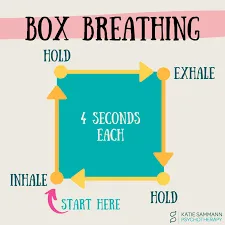
The fundamental principle of box breathing involves consciously manipulating the breath in a consistent pattern. It entails inhaling for a specific count, holding the breath for the same count, exhaling for that count again, and holding the breath out for an identical duration. This four-part cycle gives rise to the term “box breathing” due to its square-like shape when graphically represented.

The underlying science behind box breathing lies in its ability to activate the parasympathetic nervous system, responsible for the body’s “rest and digest” response. By deliberately slowing down the breath and extending the exhale phase, box breathing triggers a relaxation response, counteracting the effects of the sympathetic nervous system’s “fight or flight” stress response. This technique aids in reducing anxiety, increasing focus, and promoting a sense of calm.

Famous Practitioners

Box breathing has gained popularity among many individuals, including notable figures from various fields. Some famous practitioners who have incorporated box breathing into their routines include:

  1. Navy SEALs: Navy SEALs are renowned for their exceptional physical and mental endurance. Box breathing is one of the techniques they use to remain calm and focused in high-stress situations.
  2. Tony Robbins:The world-renowned motivational speaker and life coach Tony Robbins incorporates box breathing as part of his morning routine to enhance mental clarity and focus.
  3. Laird Hamilton: The legendary big-wave surfer Laird Hamilton utilizes box breathing to manage stress, boost performance, and improve his overall well-being.

Why Navy SEALs Use Box Breathing

Navy SEALs undergo rigorous training and operate in high-pressure environments where split-second decision-making is crucial. Box breathing plays a vital role in their training as it helps them stay calm and composed during high-stress situations. By utilizing this technique, Navy SEALs can regulate their physiological responses, maintain mental clarity, and make optimal decisions when it matters most.

How to Practice Box Breathing

Here is a step-by-step guide to practicing box breathing or you can practice it with us via this BreathWorkk session >

  1. Find a quiet and comfortable space where you can sit or lie down.
  2. Close your eyes and take a moment to relax your body and mind.
  3. Inhale slowly through your nose to a count of four.
  4. Hold your breath for the same count of four.
  5. Exhale slowly and fully through your mouth for four counts.
  6. Hold your breath again for four counts.
  7. Repeat the cycle for several minutes, aiming for a relaxed and controlled breathing rhythm.

While a count of 4 is the recommended count, you can increase it to 6 to slow down even further and create deeper stillness.

If you would like a guided 10-minute meditation for sleep along with a short box breathing session then definitely click on this Breathworkk.com video which was held live via Zoom.

Please do share this video and article with anyone who is struggling with anxiety. No one should suffer when there are so many tools available!

Why this Cardiologist Recommends Kirtan Kriya for Patients

By Reena A Jadhav @blisvana – reena@hey.com

Dr. Joel Kahn is not just my favorite doc but he’s America’s most famous Cardiologist aka America’s Sweetheart Doc. Despite being trained in multiple meditation modalities including Transcendental Meditation, his top recommendation is the 12-minute Kirtan Kriya. 

As per Dr. Kahn, “Everybody needs stress management! I recommend and practice Kirtan Kriya because it’s well studied by experts like Dr. Khalsa and has proven to improve cognition, mood, telomere length and so much more.”

You can listen to the rest of the video here as part of a recent live Breathworkk session >

Kirtan Kriya is truly a transformative practice I hope you will try. With its rhythmic chanting, finger movements, and visualization, this practice has garnered recognition and endorsement from numerous famous individuals. Backed by scientific research, Kirtan Kriya offers cognitive stimulation, stress reduction, neuroplasticity, and improved brain health. Regular practice of this technique can lead to enhanced cognitive function, emotional well-being, and overall health benefits.

Renowned personalities, including Steve Jobs, Arianna Huffington, and Deepak Chopra have advocated for its practice due to its transformative measurable effects on mental and physical well-being.

Most notably, Dr. Dharma Singh Khalsa, the President/Medical Director of the Alzheimer’s Research and Prevention Foundation, has extensively researched and advocated for Kirtan Kriya as the answer to improving cognitive function and reducing the risk of age-related mental decline. Read that again!

The Practice:

Kirtan Kriya involves a combination of mantra chanting, finger movements, and visualization. The practice is structured and consists of four specific stages: singing the mantra “Sa Ta Na Ma,” touching the fingertips sequentially with the thumb, and chanting silently. Here are the simple steps or you may watch this Breathworkk recording of our group practicing it together.

  1. You may choose to sit on a cushion or a chair with your back straight and shoulders relaxed.
  2. Begin by taking a few deep breaths to relax your body and mind. Allow any tension or stress to release with each exhalation.
  3. Bring your palms together at the center of your chest in a prayer position, known as Namaste Mudra. Take a moment to connect with your intention for the practice.
  4. Start the practice by chanting the mantra “Sa Ta Na Ma” along with specific finger movements. Here’s how the mantra corresponds to the finger movements:
  • “Sa” (index finger): Touch the thumb and index finger together.
  • “Ta” (middle finger): Touch the thumb and middle finger together.
  • “Na” (ring finger): Touch the thumb and ring finger together.
  • “Ma” (pinky finger): Touch the thumb and pinky finger together.
  1. As you chant each syllable of the mantra, synchronize it with the corresponding finger movement. For example, on “Sa,” touch the thumb and index finger together, and simultaneously chant “Sa.”
  2. Chant the mantra and perform the finger movements in a steady rhythm, focusing your attention on the sound, sensation, and movement.
  3. While chanting and performing the finger movements, visualize the sound flowing in through the crown of your head (Sa), moving down to the third eye area (Ta), then to the throat (Na), and finally settling in the heart center (Ma).
  4. Typically, it will take 11 to 12 minutes to practice it and you can practice with us here via this video > You may practice it longer to doing two cycles if you feel the vibe calling you!
  5. After the designated time, take a few moments to sit in silence and observe the effects of the practice on your mind and body.
  6. Finally, bring your palms together in Namaste Mudra once again, expressing gratitude for the practice and its benefits.

It is essential to approach the practice with a sense of openness, presence, and relaxation.

Why Kirtan Kriya Works:

  1. Cognitive Stimulation and Memory Enhancement: Kirtan Kriya combines sound, movement, and visualization, engaging multiple sensory and cognitive faculties simultaneously. Research suggests that this integrative approach enhances neural connections and promotes cognitive stimulation. The chanting of specific sounds, finger movements, and visualization techniques collectively stimulate various regions of the brain associated with memory and concentration, leading to improved cognitive function.
  2. Stress Reduction and Emotional Balance: Kirtan Kriya has been shown to reduce stress levels and promote emotional balance. The rhythmic chanting, synchronized breathwork, and focused attention help activate the parasympathetic nervous system, triggering the relaxation response. Regular practice can lower cortisol levels, reduce anxiety, and promote a sense of calm and well-being.
  3. Neuroplasticity and Brain Health: Neuroimaging studies have demonstrated that regular practice of Kirtan Kriya positively impacts brain structure and function. It induces neuroplasticity, the brain’s ability to reorganize and form new neural connections. This practice has shown to increase gray matter volume in regions associated with memory, attention, and emotional regulation. It also enhances overall brain health and reduces the risk of age-related cognitive decline.
  4. Gene Expression and Cellular Health: Kirtan Kriya has been found to influence gene expression and cellular health positively. Research suggests that regular practice can upregulate genes associated with immune function, inflammation regulation, and cellular stress responses. This can lead to improved overall health, increased resilience, and reduced risk of chronic diseases.

Scientific Studies

If you are the type who needs studies before you’ll invest your time in practice, then you’ll enjoy reading some of these findings!

Study: Newberg et al. (2010)

  • Researchers: Andrew B. Newberg, Nancy Wintering, and Dharma S. Khalsa
  • Findings: This study used functional neuroimaging techniques to examine the effects of Kirtan Kriya on the brain. It found that practitioners experienced improved cerebral blood flow, increased activity in areas associated with attention and executive function, and reduced activity in regions linked to depressive symptoms.

Study: Lavretsky et al. (2013)

  • Researchers: Helen Lavretsky, Michael R. Irwin, and Elizabeth J. Blackburn
  • Findings: This study investigated the impact of Kirtan Kriya on cellular aging and mental health in older adults with memory complaints. The findings indicated that regular practice of Kirtan Kriya resulted in improved psychological well-being, reduced depressive symptoms, and increased telomerase activity—an enzyme associated with cellular longevity.

Study: Innes et al. (2014)

  • Researchers: Kim E. Innes, Terry Kit Selfe, and Dharma S. Khalsa
  • Findings: This study examined the effects of a 12-minute daily Kirtan Kriya practice on cognitive function, stress, and well-being in older adults with subjective cognitive decline. The results showed significant improvements in cognitive performance, psychosocial well-being, and perceived stress reduction.

Study: Eyre et al. (2016)

  • Researchers: Harris Eyre, Bernadette McGuire, and Michael R. Irwin
  • Findings: This study conducted a systematic review of the effects of Kirtan Kriya on mental health outcomes. It concluded that Kirtan Kriya had positive effects on depressive symptoms, anxiety, stress, sleep quality, and cognitive function, making it a promising complementary therapy for mental health management.

Incorporating Kirtan Kriya into your daily routine may unlock the transformative power of this ancient practice, enabling you to experience profound positive changes in your life.

By engaging multiple sensory modalities, reducing stress, and promoting brain function, Kirtan Kriya can deliver notable results, including improved cognitive abilities, emotional regulation, and potential neuroprotection. Are you ready to Kirtan Kriya?

Nightly Prayer by Reena

We meet nightly for ZOOM live sessions, and I close out each session with a prayer that I’ve crafted by listening to other mystics like BK Shivani. By popular demand, I am sharing the core prayer below for you to recite as needed.

Remember to make it your own by saying the affirmation you need the most for that day!

“I am a POWERFUL Soul

I am ETERNAL

I am LOVED

I am HEALTHY

I am SAFE

I am BLESSED

I am FEARLESS

God’s WHITE LIGHT is in me & all around me

Thank you

Thank you

Thank you”

You can always add your own affirmations as needed, for example

I am WEALTHY

I am JOYFUL

I am STRONG

I am BRILLIANT

I am PAIN-FREE etc.

Blessings and please consider joining one of our nightly sessions!

The Science-Backed Anti-Aging Breath You Need

Did you know that as we age our breathing gets faster, less deep, and shallow from our upper chest? 

Breathing becomes shallower with age because of a process called elastic recoil. That recoil is constantly squeezing down on your heart and lungs, to the tune of some 26,000 breaths per day. But as we age our rib cage becomes tighter and we need to work harder on our inhalations in order to overcome a more rigid elastic recoil. This literally leads to physical degeneration of our entire system.

As if that’s not enough, we also become shallow breathers leading to chronic tissue hypoxia, depriving our cells of the oxygen they need. Chronic cellular hypoxia is ultimately linked to cell death and the opportunistic proliferation of mutagenic stem cells. Shallow breathing also forces the body to breathe faster, over-breathing oxygen while breathing out too much CO2. This creates a dangerous imbalance in O2 and CO2.7.

Not to worry, I am going to give you a simple breathing technique to reverse all of the above so you can live to your longest most healthiest youthful self.

Meet Kumbhaka Breath

Rooted in ancient yogic practices and with solid science behind it, the Kumbhaka Breath or “breath retention” has gained popularity due to its potential anti-aging benefits. You can watch a brief public video on the connection between breath and aging as well as Kumbhaka breath here>

Kumbhaka Breath involves the deliberate retention or holding of the breath after inhaling or exhaling. Scientific research suggests that this practice can positively impact various physiological processes related to aging. Let’s explore some of the potential benefits:

  1. Cellular Health and Oxidative Stress Reduction: Studies have shown that Kumbhaka Breath may contribute to the reduction of oxidative stress, a key factor in cellular aging. By practicing breath retention, the body experiences a brief period of hypoxia (reduced oxygen levels), which triggers a hormetic response. This response activates cellular repair mechanisms, increases antioxidant production, and helps maintain cellular health.
  2. Activation of Longevity Genes: Research has demonstrated that Kumbhaka Breath can stimulate the expression of certain genes associated with longevity. Studies on breath retention techniques have shown an upregulation of genes related to cellular repair, mitochondrial function, and stress resistance. These genetic changes can have profound effects on overall health and may slow down the aging process.
  3. Stress Reduction and Hormonal Balance: Chronic stress is a significant contributor to accelerated aging. Kumbhaka Breath has been found to activate the parasympathetic nervous system, leading to a reduction in stress hormone levels and an increase in feel-good neurotransmitters like serotonin. By managing stress, this breathing technique may help prevent premature aging and promote emotional well-being.
  4. Enhanced Circulation and Detoxification: Breath retention during Kumbhaka Breath temporarily increases blood pressure and improves blood flow. This increased circulation aids in the delivery of oxygen and nutrients to cells, facilitating their repair and rejuvenation. Additionally, the release of carbon dioxide during exhalation helps eliminate toxins from the body, further supporting detoxification processes.

Step-by-Step Guide to Practicing Kumbhaka Breath for Anti-Aging:

  1. Find a comfortable seated position with your spine upright and your shoulders relaxed.
  2. Begin by taking a few deep breaths to center yourself and establish a calm state of mind.
  3. Step 1 Inhale deeply and slowly through your nose, filling your lungs to their maximum capacity. Count how long it took you to breathe in till full.
  4. Step 2 Hold your breath to 2X the count of your inhale or as long as you can comfortably hold your breath without discomfort. For example, if you breathed in for a count of 7 then hold for a count of 14 or as long as you can hold comfortably.
  5. Step 3. Release your breath calmly and slowly without any counts but till fully exhaled. This is considered a full cycle.
  6. Then take a few normal breaths till you are ready to do the next cycle.

We recommend you do a minimum of 3 cycles. You are then welcome to try 6 cycles or more too. You can practice this during the day but starting your day with this breath is a great way to benefit from it tremendously!

Variations:

Once you are comfortable with the basic practice you can add “locks” to boost this practice. Lock 1 is the neck lock that you attain by moving your head down like you are looking at your belly button. Here is a short public video on how to do the locks >

Lock 2 is the anal lock that you attain by closing your rectum like you are trying to not poop and pull up the muscles toward your belly button.

Practice these two locks first. Once comfortable you can try the above steps but in this order:

  1. Find a comfortable seated position with your spine upright and your shoulders relaxed.
  2. Begin by taking a few deep breaths to center yourself and establish a calm state of mind.
  3. Step 1 Inhale deeply and slowly through your nose, filling your lungs to their maximum capacity. Count how long it took you to breathe in till full.
  4. Step 2 Hold your breath for three seconds then first do the neck lock then the anal lock and continue to hold your breath. Ideally, hold your breath for 2X the count of your inhale or as long as you can calmly hold your breath without discomfort.
  5. Step 3. Release your breath and both the locks calmly and slowly without any counts and till all air is fully exhaled. This is considered a full cycle.
  6. Then take a few normal breaths till you are ready to do the next cycle.

Kumbhaka Breath as a daily practice is a powerful tool in your anti-aging arsenal. Scientific evidence suggests that this practice may promote cellular health, activate longevity genes, reduce stress, improve circulation, and support detoxification.

You can find videos for doing this correctly in my playlist on Youtube 

Live long, youthfully!

9 Epic Breaths to Unlock Your Superpowers

By Reena Jadhav

www.BreathWorkk.combreathworkk@gmail.com

Take a quick minute and notice your breath.

Is it shallow, with your belly barely moving? Is it on pause as your mind races through your task list? Or perhaps you are a shaky mouth breather.

Let me introduce you to the fact that your breath is in fact your hidden superpower that can revitalize every aspect of your existence, from your health and wealth to sleep. There are a multitude of powerful breath control techniques, each with a profound impact and purpose.

In this article, I want to introduce you to popular science-backed 9 practices. I invite you to practice each of these breathing techniques for a minimum of 5 to 7 minutes and then pause to reflect on how you feel. By incorporating them into your life, you will embark on a journey of self-mastery like never before.

First, try the 4-7-8 Breathing technique that allows the rhythm of your breath to guide you toward a state of calmness. Inhale from your belly for 4 seconds, hold for 7, and exhale for 8, promoting harmony and creativity within.

Next explore the wonders of Alternate Nostril Breathing (Nadi Shodhana), a technique that alternates inhaling and exhaling through each nostril, harmonizing and balancing your energy. Use your thumb to close gently the right nostril as you breathe in and out from the left, then use your middle finger to close the left nostril and breathe in and out from your right nostril.

Feel the productivity power of Ujjayi Breathing as you take deep, oceanic breaths, creating a slight constriction at the back of your throat both during inhale and exhale. This technique enhances focus and concentration, allowing you to tap into hidden reservoirs of productivity.

Breath of Fire is an energizing and cleansing breathing technique involving forceful exhalations followed by passive inhalations. Known as Kapalabhati Breath it’s used to invigorate the body, cleanse the respiratory system, and increase mental clarity.

Now for the breath that releases tension, try Lion’s Breath (Simhasana Pranayama). For a release of tension and an infusion of vitality, breathe in normally and then do a forceful exhalation with an open mouth and extended tongue.

Struggling with sleep? Then you have to try Square or Box Breathing, a technique that induces deep relaxation. This technique requires you to breathe in equal counts (start with counts of 4) inhale for 4, pause for 4, exhale for 4, and then pause for 4, then back to inhale for 4.

Feeling hot and bothered? Are you a “pitta” or someone who tends to heat up quickly? Then cool yourself instantly with the Sitali Breath. This involves inhaling through a rolled tongue and an open mouth. The gentle flow of cool air soothes and restores tranquility.

Got anxiety? Explore the soothing effects of Bhramari (Bee Breath), where you hum as you breathe out through a closed mouth. It should sound like bees and within minutes soothe your nervous system. This is highly recommended for students who are nervous test takers.

Finally, embrace the tranquility that comes with Extended Exhalation Breath. Lengthen the exhalation phase, and witness your body’s relaxation response activate. Breathe in for 4 and breathe out for a count of 8 as you relax your shoulders as well.

These 9 breathing techniques can unlock the tremendous potential within you! Join us nightly via Zoom link at www.breathworkk.com if you would like to practice these breaths with a community of explorers.

The Magic of Meditation to Unlock Your Inner Bliss

By Reena A Jadhav

Connect with me at reena@hey.com @blisvana

So, who switched our Planet Earth movie to Hunger Games? I mean suddenly everybody seems to be fighting “something”. Doctors battling rogue viruses, bosses battling miserable employees, business owners fighting inflation, soldiers fighting in real wars, and poor teens fighting dark anxiety. Although, ChatGPT has recently brought a smile to many students by doing their homework, so there’s that!

The fear and uncertainty factor is the highest we have ever faced as a planet. So, this is definitely the time we all need a magic bullet to beat our blues and bring back our sanity and smiles.

Introducing “Meditation” the silver bullet that is about to become your best friend through these turbulent times.

Having practiced meditation for five years I can say with proof and conviction that “Meditation is the science of having a blissful life.” 

But meditation is not what the mainstream media tells you it is. Or what so many practitioners teach it to be. It’s not just calming or stilling your mind, it’s not just sitting and chanting Om and it’s definitely not sitting uncomfortably crossed-legged in white clothes with incense. Though that is the exact look I wear when I meditate. It’s not breathwork or candle gazing, although those are clearly tools within the meditation experience.

Meditation is so so much more. The word “meditate” comes from the Latin word “meditatus,” which is the past participle of the verb “meditari,” meaning “to think over, consider, ponder.” The root of the word is “mederi,” which means “to heal” or “to cure.” In ancient Rome, “mederi” was also associated with “medicus,” which meant “physician” or “healer.”

So, meditation then is truly the healer of all maladies, the cure to what ails all of humanity: anger, fear, jealousy, misery… It is, in fact, your shortcut to the perfectly blissful life you dream of – be that more money, more love, more health. Whatever you desire is one short meditation away. So what is meditation then?

It is the state of feeling pure love that emanates from your heart and makes you sob in ecstasy at the perfection of everything around you. That emotion of pure bliss creates a magnetic resonance that delivers to you all that you desire and more. Interestingly, that emotion takes away all desires and wants, as it washes away the layers of human programming for “wanting more” endlessly.

All the tools such as chanting, breathwork, guided visualizations, and yoga have a single purpose of getting you into the meditation state of pure love. For some dancing can be their meditation and for others, it takes a village and being locked up in a cave.

Are you ready to begin your journey to a state of pure love and build a direct WhatsApp/text relationship with source? Then join me daily via zoom at 9:25 PM PST for a FREE 15 minute mediation experience. We are starting the 30/60/90 day meditation challenge with fun prizes each month!

If It Works for Them…Over 80% of Famous People Do Breathwork

By Reena A Jadhav

Connect with me at reena@hey.com @blisvana

When I say Meditation, I know what you’re thinking. You’ve heard all about meditation before, and you’re picturing some dude in white clothes, sitting uncomfortably crossed-legged with incense burning, chanting “OM” over and over again. But trust me, it’s not just that (although I totally rock that look when I meditate).

Meditation is the science of having a blissful life, not just the tedious practice of calming your mind or stilling your thoughts.

In fact, the word “meditate” comes from the Latin word “meditari,” which means “to think over, consider, ponder.” And the root of the word is “mederi,” which means “to heal” or “to cure.” So, meditation is all about healing and curing yourself of those pesky maladies like anger, fear, jealousy, and misery.

Meditation is truly the shortcut you have been looking for to have the perfectly blissful life you dream of, whether that’s more money, more love, or better health.

So, what is meditation, you ask? 

It’s the state of feeling pure love that emanates from your heart and makes you sob in ecstasy at the perfection of everything around you. Yeah, it’s that good. And that emotion of pure bliss creates a magnetic resonance that delivers to you all that you desire and more. It’s like a love bomb exploding in your heart and washing away all that aches.

When you enter this state of pure love, you tap into a powerful force that can transform your life in countless ways. As Eckhart Tolle, author of “The Power of Now,” once said, “When you meditate, you access the power of the universe within you. You become one with the source, and that is where you find true happiness and fulfillment.”

And all those meditation tools like chanting, breathwork, guided visualizations, and yoga?

They’re just different ways to get you into that state of pure love. For some people, dancing is their meditation, and for others, it takes being locked up in a cave. Whatever your path, the destination is always the same: a state of pure love.

What’s fabulous about meditating is that you don’t have to take a leap of faith into trying something that may or may not work. You are doing a practice that comes with a hard-core money-back guarantee and a roster of famous and rich people who swear by it.

For example, the Dalai Lama, the spiritual leader of Tibetan Buddhism, has long been a proponent of meditation. He once said, “If every 8-year-old in the world is taught meditation, we will eliminate violence from the world within one generation.” 

This quote speaks to the transformative power of meditation, and how it has the potential to change not only individual lives but also society as a whole.

Another famous figure who has spoken about meditation is Oprah Winfrey. She has credited her daily meditation practice with helping her to stay grounded and focused, even in the midst of a busy and stressful schedule. As she once said, “Meditation is not a way of making your mind quiet. It’s a way of entering into the quiet that’s already there.”

And it’s not just spiritual or religious figures who have benefited from meditation. Athletes, entrepreneurs, and musicians have also spoken about how meditation has helped them to perform at their best. For example, basketball star Kobe Bryant said that meditation helped him to maintain focus and calmness on the court. He said, “Meditation was something I had to figure out how to do to improve my focus. It helped me to relax and get into a state where I could focus on the task at hand.”

Similarly, business mogul and founder of the Virgin Group, Richard Branson, has credited meditation with helping him to make better decisions and stay creative. He said, “I rely on meditation to help keep my mind sharp and to stay calm in the face of challenges. It’s a powerful tool for staying creative and focused.”

So, are you ready to begin your journey to a state of pure love and build a direct messaging relationship with THE source?

Then subscribe to this blog to receive inspiration and clips, and join free the MeditationMagic tribe via Zoom at 9:25 PM PST for a FREE meditation. Email breathworkk@gmail.com to get added to the tribe.

Let’s get blissed out together, my friend!